In a segment in the latest podcast in which I criticized the society for its defiance and resistance to overtures from the Church, I also took a moment to talk about some things that I actually admire about the SSPX. They're characteristics that I wish could become normative in the Catholic Church, and in Catholic culture in general.
But that segment didn't fully represent my thoughts and feelings, and I was actually a little disappointed with it when I went back and reviewed it. Sometimes in a podcast, you can get distracted, and in the interests of barreling forward, you lose yourself a little bit and forget to go back and tighten up a loose end or two. That's what happened here. But the good news is I have this space now to fill in those gaps and blanks left in the segment.
The most notable flaw of the SSPX is its Catholic attitude. It stands with an attitude of defiance to papal authority and continues an attitude of rejection of the Second Vatican Council. Zeal for the church doesn't so much consume them as it tends to set them on fire. But on the other hand, we also find something positive about their zeal: They take Catholicism very, very seriously. I think that's something that we've progressively lost or obscured in the church today.
But we can always get it back! It takes recognition of the deficiency, and then it takes discipline, and then it takes work, repetition, and discipline. Here are four ways in which the seriousness of the SSPX might be incorporated into your daily Catholic life.
Seeing the church as the glorious gateway to heaven, not a doorway to the afterlife in the clouds.
The Catholic Church is one of God's greatest creations—even greater than the creation of space and time. It isn't merely an institution or the center of gravity for a life philosophy. The Church, its teachings, the sacramental life, and obviously the Mass, constitute a glorious mechanism of mercy and conversion. It brings us out of the dirt of our fallen selves and moves us toward Heaven. The Catholic life, well-lived, changes who we are.
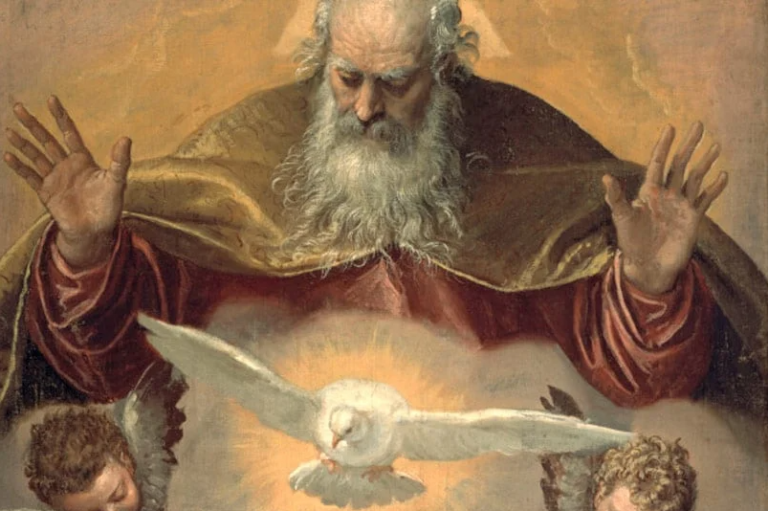
And that change of nature isn't just so that we can live in the clouds with a grand old man who sits on a throne. Scripture paints a clearer picture: “What we will be has not yet been revealed, but what we do know is that when it is revealed, we will be like God because we will see him as he truly is” (1 John 3:2).
How amazing is that? When we see God as He is, we will remain wholly ourselves and yet become something much greater than we can imagine. Something amazing and inconceivable is going to happen to us in the beatific vision.
Right now, we are undergoing the conversion necessary for that ultimate destiny. What we will be when we see Him face to face is a potentiality we carry with us now. An acorn possesses within itself the potential for becoming an oak tree, but that destiny requires conversion: process, time, work, and even pain. What's more, it requires a force outside of itself: nutrients in the soil, water, and gradually, sunshine.
That's what it's like to become the person God intended us to be, absolutely perfected in Heaven. The Church provides that soil, water, and sunlight, and the oak tree doesn't happen without it, because the Church, especially the Mass, is the gateway through which all graces flow to the earth.
A deeper reverence and respect, not just for the church but also for what she teaches.
Get the rest by becoming a Member.
Become a Member to read the rest and access the full paid archive.