The history of the SSPX and Rome is, at its heart, a story of one institution repeatedly extending its hand while the other slaps it away. The record is as clear as it is striking.

Let’s start at the starting-line.

Sacred Tradition

The first stop in this path isn’t an overture so much as a fundamental rule—Sacred Tradition and submission to Rome. While not an overture per se, submission to the Roman Pontiff and acceptance of the magisterium of the Church is a precondition for talks and negotiations.

For roughly 50 years the SSPX has withheld full submission, arguing that elements of Vatican II and its aftermath contradict prior Tradition and therefore justify resistance to Rome.

That position is errant not because Catholics may never wrestle with difficult teachings, but because it assumes the authority to judge the Magisterium by a private theological standard. The Catholic principle runs the other direction: Sacred Tradition is authentically interpreted by the living Magisterium, not by individual clerics, societies, or movements standing in judgment over it.


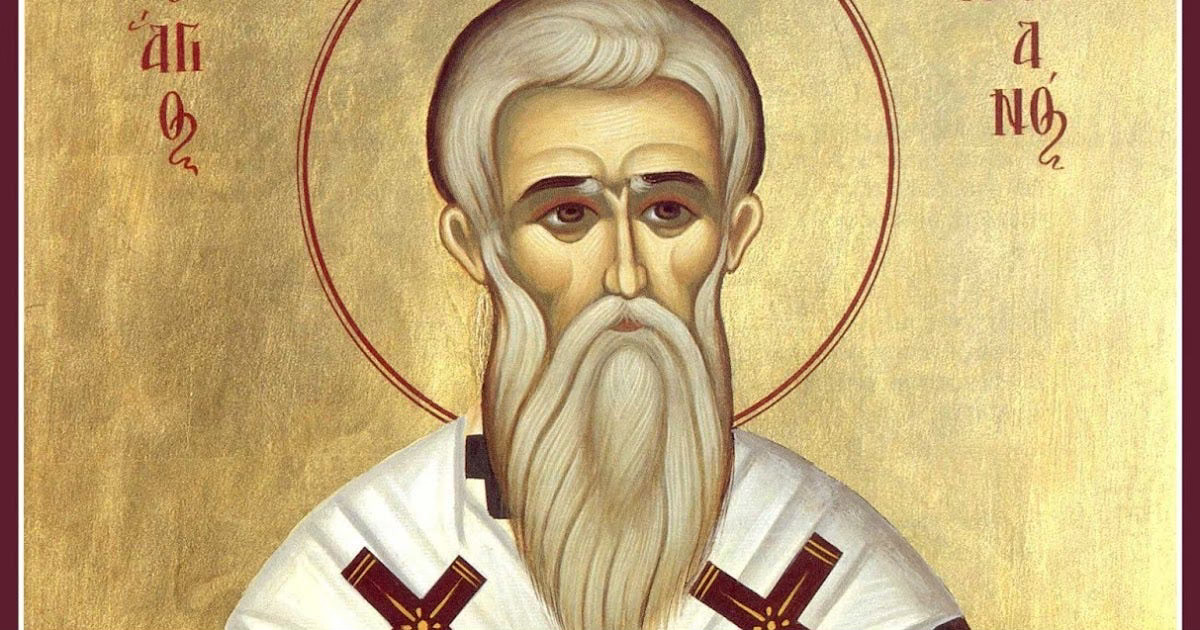
St. Cyprian, on Fidelity to Rome - The Fathers Know Best
The Society of St. Pius X (SSPX) have resurfaced. They plan to consecrate bishops without papal mandate — an act that would carry serious canonical consequences and risk deepening the rupture that has existed since 1988.

This post is for Forge Readers.

Create a free Forge Reader account to read the full post and receive future updates.

Join now Already have an account? Sign in