Born: Lisbon, Portugal
Lived: 1195–1231
Titles: Doctor of the Church, Hammer of Heretics, Arc of the Testament

Before the world knew him as Saint Anthony of Padua, he was Fernando of Lisbon: young, gifted, well-educated, and already formed in religious life. He had entered the Augustinian Canons Regular, a community devoted to prayer, study, discipline, and the service of the Church.

Anthony wasn’t some ignorant wanderer who stumbled into holiness. He was a serious man, trained in Scripture and theology, with the kind of mind that could have lived contently among books for the rest of his life.

Then an ordinary day at the monastery was broken by grief: five martyred Franciscan missionaries had been brought home from Morocco, killed for preaching Christ.

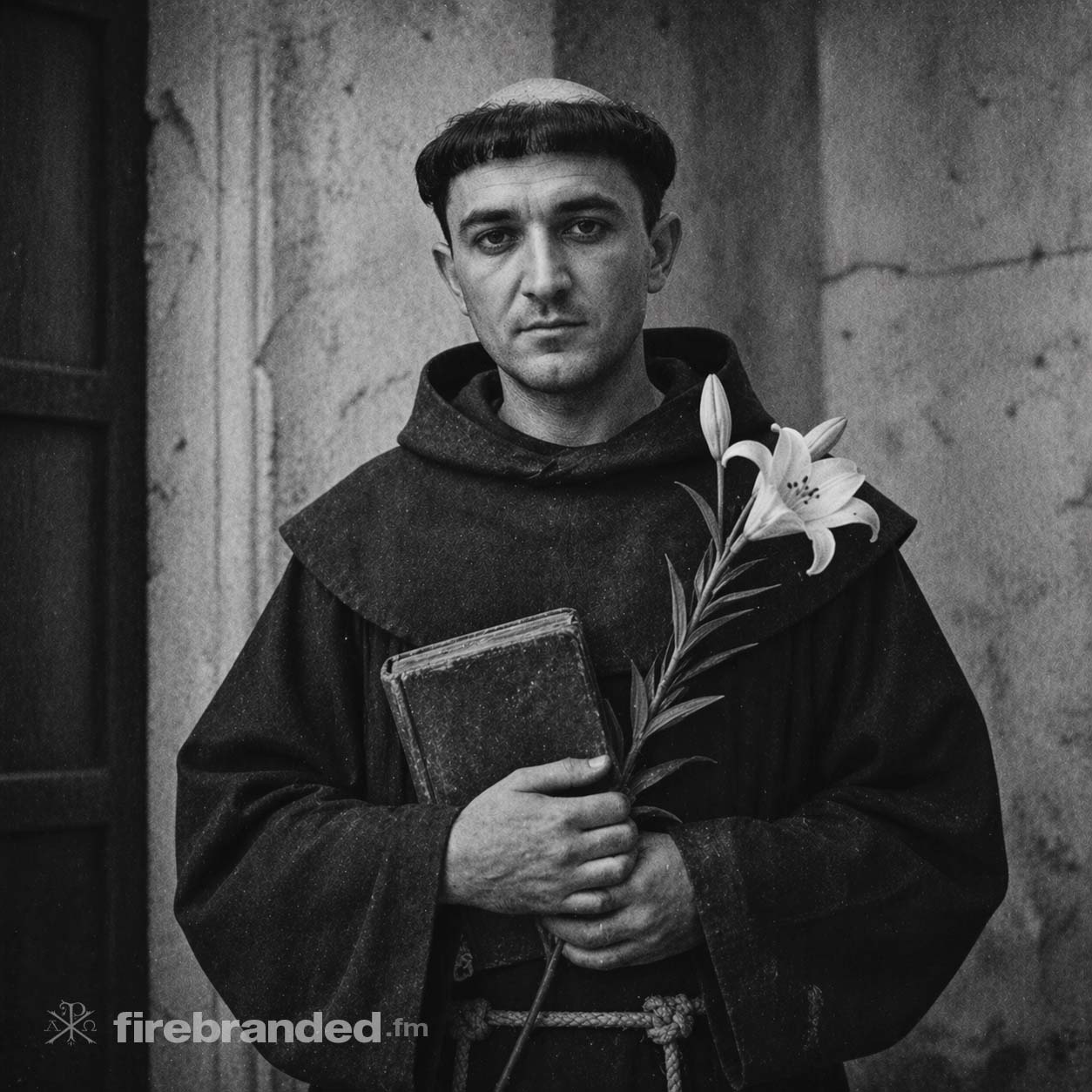
Saint Anthony is often depicted holding a lily as a sign of purity, chastity, and holiness of life. The flower is not just decoration. It points to the interior life of the saint: a preacher whose public power came from a soul kept close to Christ.

Their witness struck Fernando deeply. And his course would change dramatically from that day.

Continues below


My friends, this post (and everything else at The Forge), is worth more than a cup of Starbucks. But membership costs less per month than that Starbucks in a day. Consider subscribing

Get the rest by becoming a Member.

Become a Member to read the rest and access the full paid archive.

Join now Already have an account? Sign in